Early Warning Signals for Global Market Shocks
Private intelligence on energy supply risks, sanctions, and geopolitical escalations before markets react.

Structural signals you won't find in the news
We monitor hiring trends, executive movement, capital flows, and regulatory shifts to interpret what's really happening in your markets.
Hiring trend intelligence
Track workforce shifts across key industries and geographies. Spot growth, contraction, and talent movement before public announcements.

Executive movement tracking
Monitor leadership changes at target companies and competitors. Understand strategic intent behind C-suite moves and board appointments.
Capital allocation signals
Identify funding flows, M&A patterns, and investment shifts. See where capital is moving and what that reveals about market direction.

Regulatory positioning
Detect policy shifts, regulatory filings, and compliance signals affecting your industry. Stay ahead of rules changes that reshape competitive advantage.
Forecasted analysis
Each briefing answers what's happening, why it matters, and what you should do next. Actionable insight, not just data.

SIGNAL BRIEFING
EdgeLetter monitors four core intelligence streams to reveal what's shifting in markets before headlines catch up.

Signal Status
Confirming Structural Signal

Signal Category
Geopolitics / Energy Markets / Global Supply Chains

Key Indicators Observed
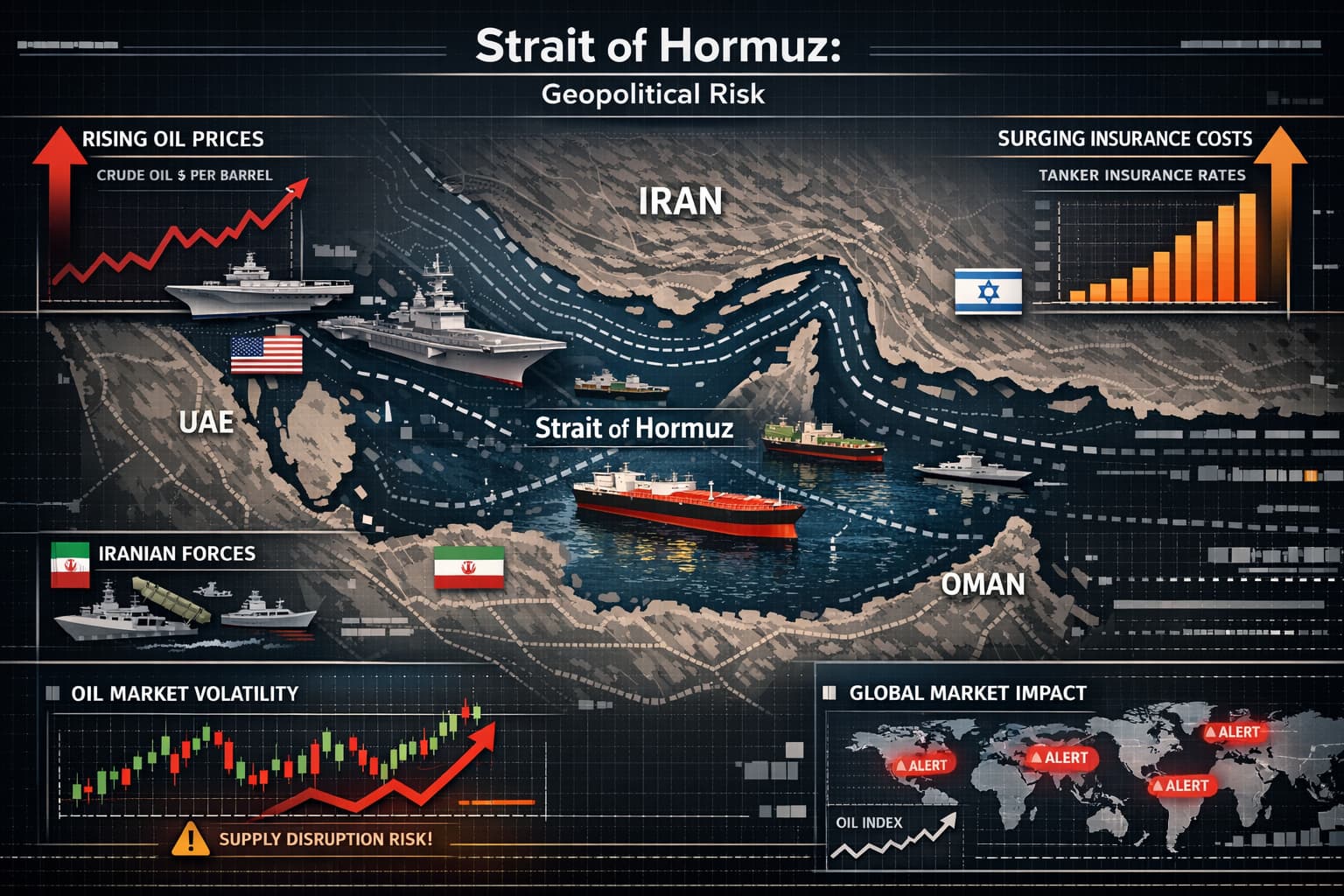
EdgeLetter monitoring systems have identified several indicators suggesting increasing geopolitical risk in global energy supply.
Military Escalation in Strategic Energy Regions
Recent military activity across critical areas of the Middle East has increased geopolitical uncertainty surrounding energy infrastructure and shipping routes.
Strategic Maritime Risk
Insurance costs for tanker vessels operating through key energy corridors have begun to increase, indicating elevated risk assessments by maritime insurers.
EdgeLetter caught a hiring shift in our sector six weeks before the layoffs started. We repositioned our team and avoided the scramble. That intelligence is worth the subscription alone.

James Mitchell
Operations Director, Financial Services
We track regulatory signals closely. EdgeLetter flagged a policy shift in Australia two months early. Our compliance team had time to prepare instead of reacting. That's structural advantage.

Priya Desai
Founder, Legal Tech Startup
Capital flow analysis in EdgeLetter showed where institutional money was moving before it became obvious. We adjusted our growth strategy and secured funding at better terms. That data made a real difference.

David Chen
Managing Director, Growth Stage Investor
Executive movement tracking helped us spot key talent moves in our industry before competitors did. We made offers early and built a stronger leadership bench. EdgeLetter gave us the timing edge.

Sarah Williams
Chief People Officer, Industrial Manufacturing
The briefings answer what's happening and why, then forecast what comes next. That framework changed how my team thinks about risk. We're not just watching markets anymore, we're anticipating them.

Marcus Thompson
Principal, Management Consulting
Every brief delivers actionable intelligence, not noise. The focus on structural signals across hiring, capital, regulation, and executive movement gives us a complete picture. That's how we make confident decisions.

Emma Carlson
Board Advisor, Private Equity
Key Indicators Observed
EdgeLetter monitoring systems have identified several indicators suggesting increasing geopolitical risk in global energy supply.
4
Military Escalation in Strategic Energy Regions
Recent military activity across critical areas of the Middle East has increased geopolitical uncertainty surrounding energy infrastructure and shipping routes.
5
Strategic Maritime Risk
Insurance costs for tanker vessels operating through key energy corridors have begun to increase, indicating elevated risk assessments by maritime insurers.
1
Energy Market Volatility
Global oil markets have experienced price volatility in response to regional instability, reflecting concerns about potential supply disruptions.
100%
Shipping Route Disruptions
Increased naval monitoring and security operations within key maritime passages have created potential delays and logistical complications for global energy transport.

Structural Interpretation
These indicators suggest the emergence of a potential structural risk to global energy supply chains. Energy markets often respond to geopolitical instability before confirmed supply disruptions occur. The clustering of military escalation, insurance pricing changes, and shipping risk assessments may indicate early-stage market positioning in anticipation of potential supply volatility. Professionals operating in energy-sensitive industries—including logistics, manufacturing, aviation, and infrastructure—may begin to observe increased cost pressures if these conditions persist.